I spent five months building a privacy-first assistant for caregivers and busy families. On September 18th, Google and Meta both shipped something adjacent, and the day after that I wrote the runbook to tear my own infrastructure down. Here is what I got right, what I got wrong, and why the competition turned out to be the least interesting part of the story.
An unattended nightly job mines my coding agents’ own session transcripts for corrections that never made it into shared memory, then puts each candidate in front of me for a yes or no. Here’s what it found, what broke while I built it, and how I am testing the same idea with Kiro and Codex.
A red-to-green test proves your code matches your test. It proves nothing about whether either one matches the product’s intent. Kiro can check requirements for contradictions with an SMT solver before any code exists, and I went through the documentation to find exactly where that capability lives and what it costs.
I run both Kiro CLI and Claude Code on the same projects, and recently shipped a working bridge between them. Here’s how to pick when you’re evaluating one or the other, with real translation losses and gotchas from the work.
Building complex systems with Agentic AI requires more than just a large context window; it requires a deliberate semantic ledger. Explore how Project Nidus uses Core/Topical memories and shaped milestones to overcome the Session-to-Session Wall.
The Beekeeper got me thinking about who protects the vulnerable in a world where scams are industrialized and AI makes them nearly undetectable. Here’s what I’ve learned after 18 years of following this space closely.
I built a deep research skill and principal-level review agents that challenge my designs before I write code. Here’s how encoding senior engineering judgment into AI agents changed the way I ship features.
Custom Kiro agents turned my code review from a single-pass checklist into a five-agent parallel review with an orchestrator. Here’s how agents and skills work together, and what it means for shipping real software with AI.
How I built a library of reusable AI skills that handle spec writing, code review, session management, and deployment. Teaching your AI assistant repeatable workflows changes everything.
After years on Ghost hosted on Azure, I moved to Hugo on AWS. Here’s why I made the switch, what the new setup looks like, and how AI tooling helped me ship it in a weekend.
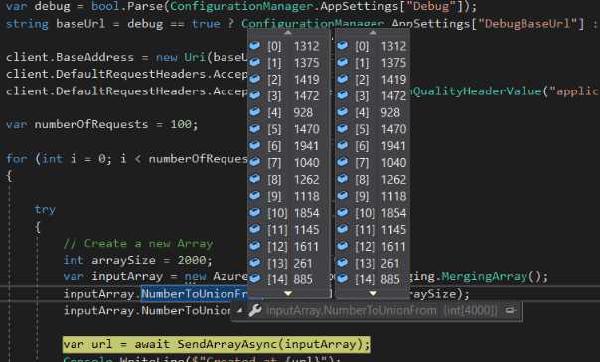
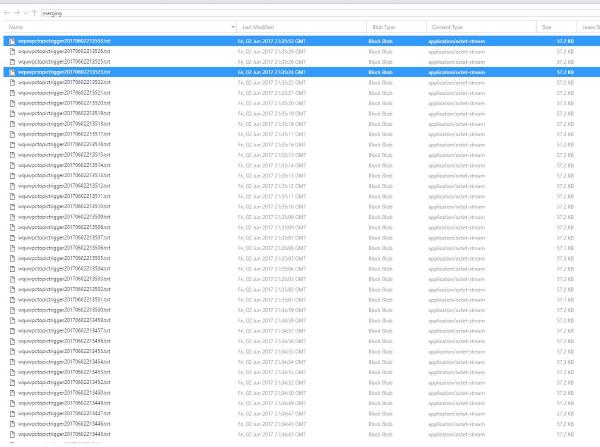
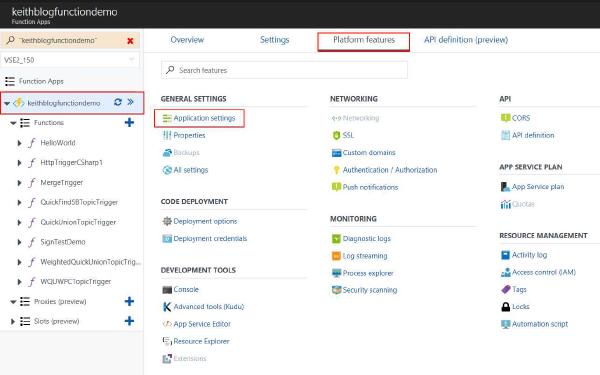
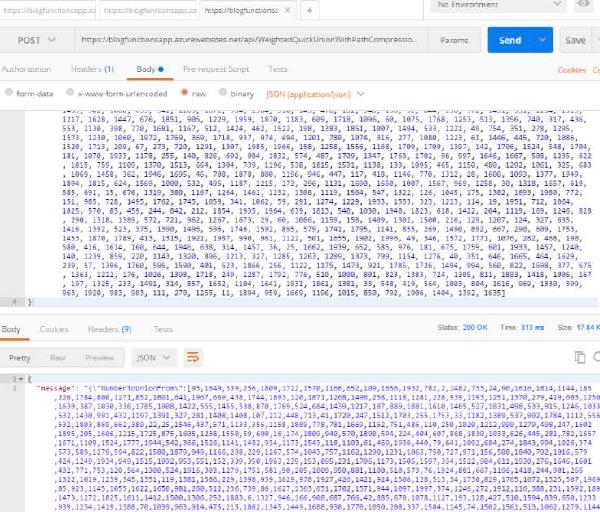
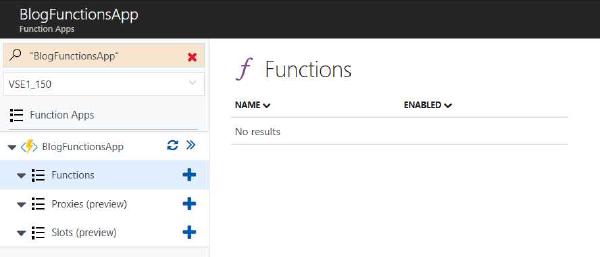
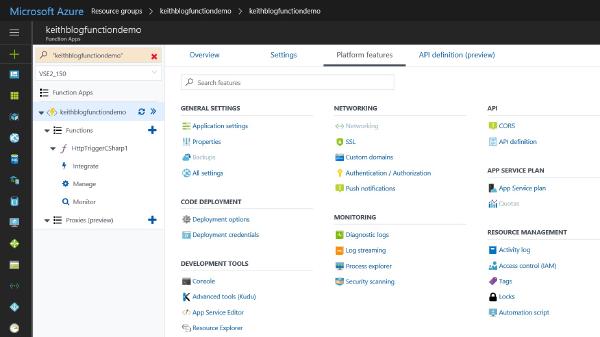
Part 1 of 3: Setting up Azure ServiceBus Topics to compare merge algorithm performance across QuickFind, QuickUnion, WeightedQuickUnion and WeightedQuickUnionWithPathCompression.